

What to Expect From Weather Patterns in Sherman, TX
From icy winters to scorching summers, weather patterns in Sherman, TX shape daily life year-round. See exactly what to expect each seaso

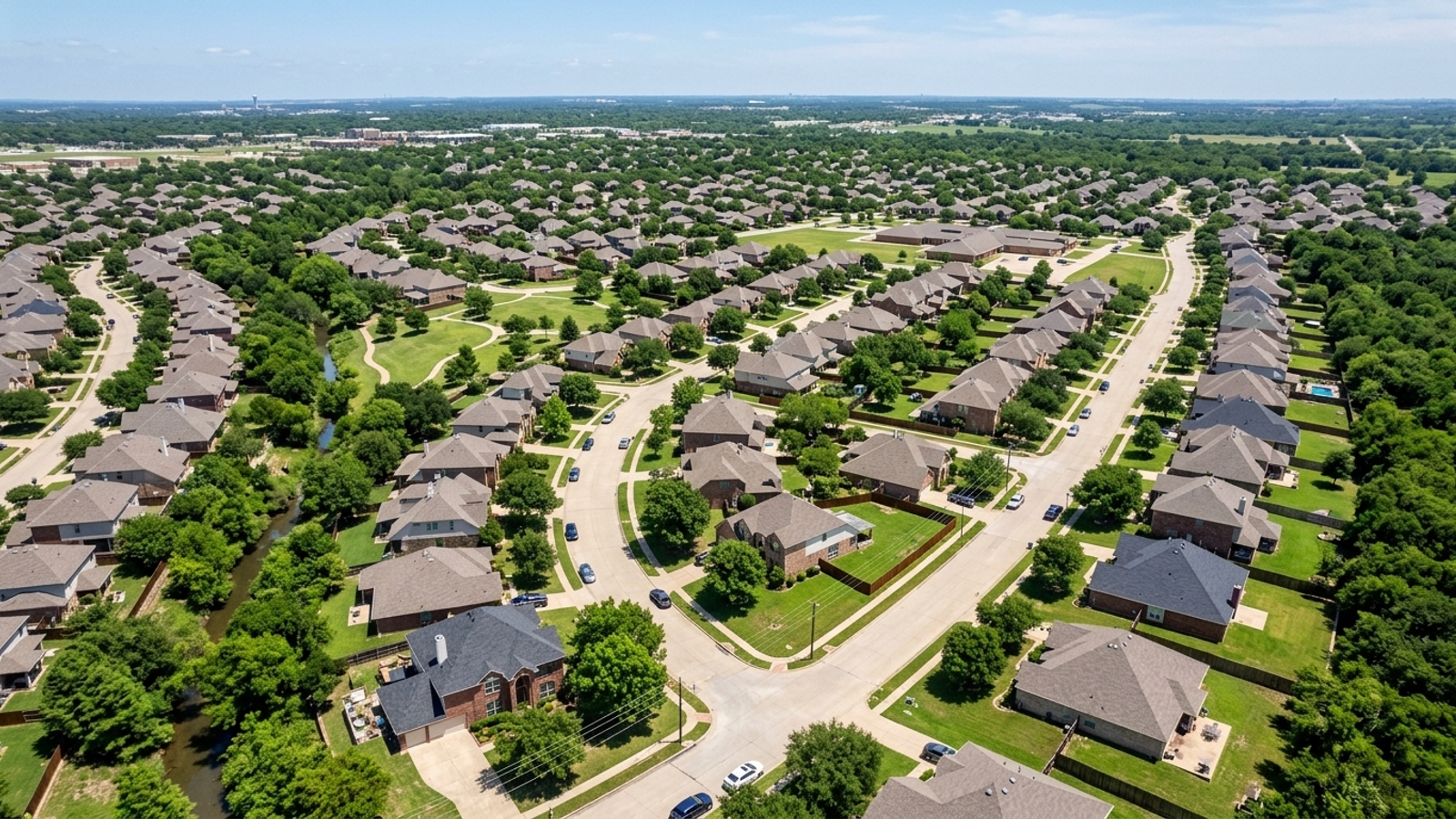
Sherman sits in Grayson County, serving as the central hub for the Texoma region. Right now the local market is carrying about 384 available homes, with a median sale price around $280,000. And almost every buyer I talk to about the pros and cons of living in Sherman eventually asks the same question: what are the skies actually like up here?
It's a fair question. The climate shapes your utility bills, your maintenance calendar, and honestly just your daily routine. Weather patterns in Sherman, TX, dictate everything from how foundations settle to when you should get someone on your roof. The sooner you understand the seasonal rhythms, the easier it is to settle into North Texas living.
Understanding the Sherman Climate
Sherman sits at 686 feet above sea level. Under the Köppen classification system, that puts the city squarely in the Cfa category - humid subtropical. Four real seasons, warm weather doing most of the heavy lifting across the calendar.
For building and energy codes, Grayson County falls under IECC Climate Zone 4. That designation drives how homes here are insulated and constructed to handle both the punishing summers and the occasional hard freeze.
The Local Climate Zone
Being in a humid subtropical zone means you'll see distinct seasons, though warm weather dominates. There's reliable annual rainfall and plenty of sunshine, and the growing season stretches longer than most transplants from northern states expect.
What that means day-to-day is winters that rarely keep you stuck inside for weeks at a time. It's a trade you'll make in August, but we'll get to that.
Seasonal Changes Throughout the Year
The weather in Sherman, TX, year round shifts noticeably from one season to the next - it's not a one-note climate. Spring warms up fast and brings frequent rain. Fall cools down slowly, staying comfortable well into November.
If you're moving from somewhere with real winters, you'll probably appreciate how quickly you can get back outside after a cold snap.
Summer Expectations
Summers are long and genuinely hot. Daytime highs push into the 90s consistently from June through early September, and the sun has some weight to it.
Air conditioning carries the household from June through September, full stop. When you're touring homes, check the age and condition of the HVAC system. It's not a detail you want to discover after closing.
Winter Conditions
Winters here are short and mild compared to most of the country. You'll get drier, windier conditions during the colder months, and yes, freezing temperatures happen - but prolonged deep freezes are uncommon. Most December and January days are workable if you have outdoor maintenance to get done. The ground generally isn't frozen.
Monthly Temperature Averages
Across a typical year, temperatures in Sherman range from about 35°F to 95°F. That's a real spread, but the transitions between seasons are gradual enough that you're not caught off guard. Spring and fall sit in the 60s and 70s for daytime highs - genuinely pleasant. Summer pushes well above that, and winter mornings start brisk before warming up in the afternoon.
The Hottest and Coldest Months
August is the peak. Average highs reach around 94°F, and overnight lows only drop to about 74°F - so there's not much relief after dark.
January is the coldest month, with average highs near 52°F and overnight lows around 36°F. That's cold enough to warrant a jacket, but it's not a month that puts the region on hold.
Rainfall, Snow, and Humidity Levels
Sherman receives about 42 inches of rain per year on average - slightly above the US average of 38 inches. The region stays green because of it, but that same rainfall requires you to think about yard drainage. Spring typically brings the heaviest downpours, so when you're walking a property, check the gutters and look at how the grade around the foundation directs water. It should be moving away from the house, not toward it.
Managing Summer Humidity
Humidity is a real factor in how the heat feels. May is the most humid month, averaging around 77% relative humidity. August, despite being the hottest month, is actually the least humid at around 60% - so you get a slight break there. Winters are much drier overall, which makes the cold more tolerable than the numbers alone suggest.
Winter Snowfall
Snow isn't something to count on or plan around in Sherman. Light snow is possible from November through March, but meaningful accumulations are rare. The heaviest single-year snowfall on record was 16.6 inches back in 1978. Most of the time, a light dusting melts by afternoon.
Severe Storms and Natural Hazards
This is the part of the climate conversation where I want buyers paying close attention. Sherman gets its share of severe weather - strong storm systems roll through during the transition from winter to spring, and they can arrive fast.
High winds, heavy thunderstorms, and hail are all real possibilities. Roof inspections are standard practice in this market for exactly that reason, and I'd never recommend skipping one.
Tornadoes and Spring Storms
The area sits in a part of North Texas known for spring tornadoes. A direct hit on any specific neighborhood is statistically uncommon, but storm sirens and weather alerts are a normal feature of life here from roughly March through May. It's not a reason to avoid the area - it's just something you incorporate into how you live here.
A lot of buyers specifically look for homes with interior windowless rooms or dedicated storm shelters. Neighborhood warning systems matter.
How Weather Impacts Sherman Real Estate
The climate touches nearly every part of how homes here are built, maintained, and valued. Foundations, roofs, HVAC systems, drainage - the North Texas weather works on all of them over time.
One thing that actually helps buyers here is that homes spend roughly 78 days on the market. That's enough time to schedule thorough inspections and not feel rushed past the foundation and roof review before you get to the closing table.
Timing Your Move
Moving in August is something I'd steer anyone away from if they have flexibility. The average high of 94°F makes a physically demanding job genuinely miserable. October or April are much better targets - you'll thank yourself later.
From a seller's perspective, spring is when curb appeal peaks. Those 42 inches of annual rainfall make lawns and gardens look their best, and mild temperatures bring more buyers out to open houses.
Frequently Asked Questions
How do severe hail and wind risks impact homeowners insurance costs in Sherman, TX?
The risk of severe spring storms and hail directly impacts insurance rates. Because the region experiences strong storm systems, carriers price policies to cover potential roof replacements. Buyers should get insurance quotes early in the purchase process.
Do I need to buy a separate flood insurance policy when purchasing a home in Sherman?
It depends on the specific property's location and elevation. While Sherman sits at an elevation of 686 feet and receives about 42 inches of annual rain, standard homeowners policies do not cover flood damage. Your lender will require a separate policy if the home is in a designated flood zone.
What is the best time of year to sell a house in Sherman to avoid extreme weather disrupting showings?
Spring and fall are the best times to sell if you want to avoid extreme weather. August brings average highs around 94°F, which can make touring homes uncomfortable. January is the coldest month with lows near 36°F, so listing during the milder transitional months is often preferred.
How does the cycle of heavy spring rain and summer drought affect home foundations in Sherman?
The shift from wet springs to hot, dry summers causes the soil to expand and contract. Sherman receives about 42 inches of rain annually, but the dry heat of August can dry out the ground quickly. This soil movement can stress concrete slab foundations over time.
What happens if a severe storm damages a Sherman property while it is under contract?
The seller is typically responsible for repairing the property if it is damaged before closing. Because North Texas experiences strong spring storms, buyers should do a final walkthrough right before signing the paperwork. If a storm hits, the closing might be delayed while insurance claims are filed.
Do homes with built-in storm shelters or hail-resistant roofs sell for a premium in Sherman?
Yes, these features are valued by local buyers. Given the possibility of severe spring weather and high winds, a dedicated storm shelter offers peace of mind. Upgraded roofs also help reduce the long-term maintenance costs associated with the local climate.


© The Harrison Group 2025
