

Sherman, TX vs. Houston: A Real Estate and Relocation Guide for 2026
Thinking about moving to Sherman, TX vs. Houston? Compare median home prices, average commute times, and local growth trends before decid

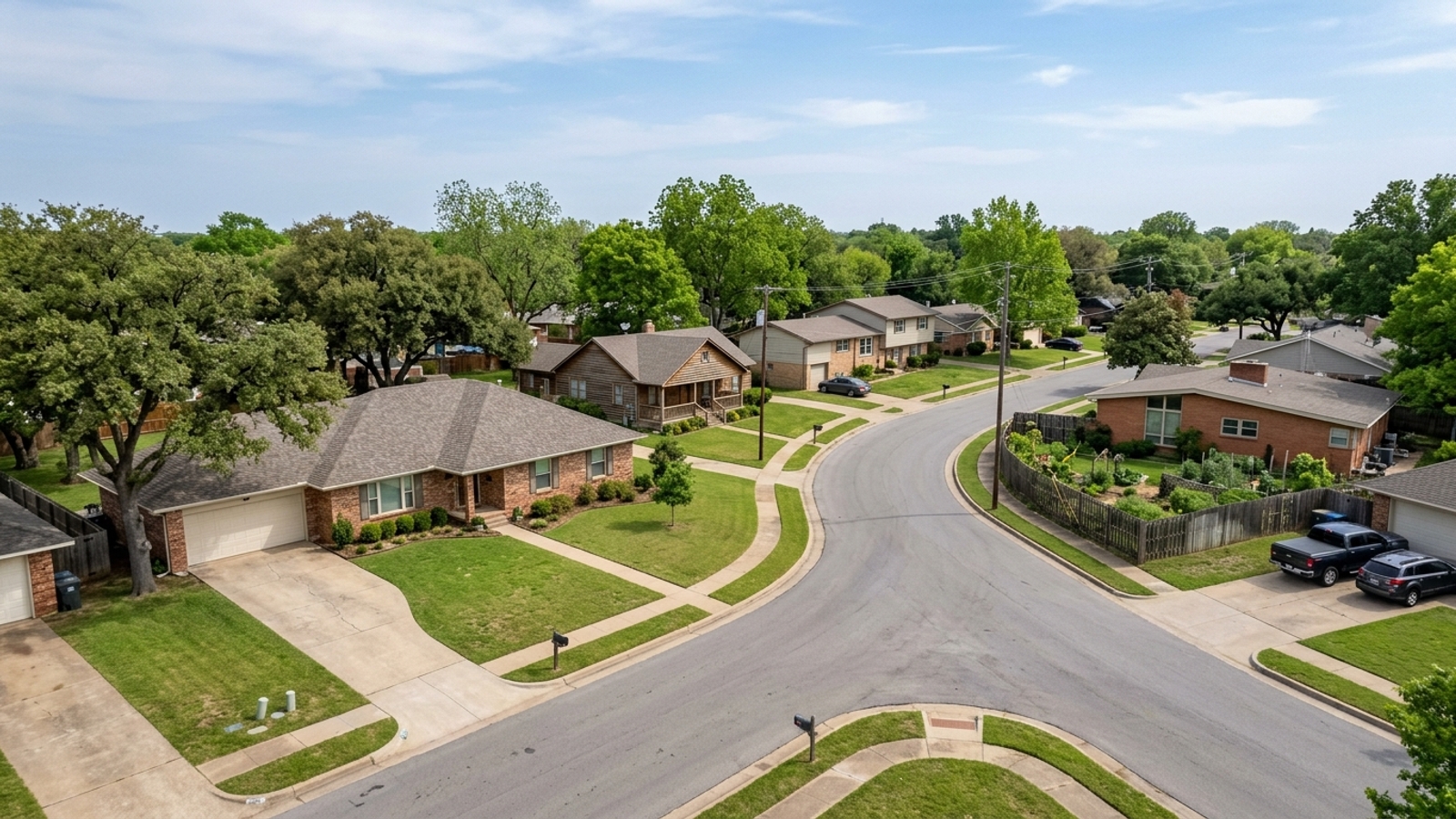
Houston is a massive metro area with millions of residents and a global economic footprint. Sherman, TX, up in Grayson County near the Oklahoma border, operates at a completely different scale. Buyers looking at both markets and weighing the pros and cons of living in Sherman are usually making one core trade-off: the full weight of a major city versus the breathing room of a growing regional hub.
Deciding between the two really comes down to how you want to live and work. These markets price differently, move differently, and carry different risks. What follows breaks down the financial and lifestyle realities so you can figure out which one actually fits your situation.
Comparing Real Estate Prices and Living Costs
Sherman offers a lower barrier to entry, and that's the first thing most buyers notice. Your dollar goes further in Grayson County - sometimes meaningfully further.
Houston's pricing is anything but simple. Prices shift dramatically based on which side of the Loop you're on, which school district you fall into, and how close you are to the employment centers. Sherman's market is more concentrated, which makes it easier to get a realistic sense of what a standard single-family home should cost before you start touring.
What You Get for the Median Price
As of mid-2026, the median sale price in Sherman is roughly $279,848. Homes are averaging 78 days on market, there's about 5.6 months of supply available, and sellers are seeing a 97% sale-to-list ratio - which tells you buyers have some room to work with.
Houston's median sits higher, at approximately $340,000 as of July 2026. Popular suburbs can push that number up fast. A $300,000 budget in Sherman can get you a three-bedroom home with a real yard. That same budget in Houston often means older stock or a long drive from wherever you're working.
Property Tax Rates and Insurance Costs
Texas doesn't collect income tax, so property taxes carry more weight here than in most states - and this is one area where Sherman doesn't come out ahead on rate alone. Sherman's effective property tax rate is estimated around 2.05%, which runs higher than the Texas median of 1.48%. Houston and Harris County residents typically land somewhere between 1.44% and 1.62%.
That said, Sherman's lower median home price often balances out the actual annual dollar amount you're writing a check for. Run the math on the specific property you're considering, not just the headline rate. One more thing worth factoring in: Houston homeowners frequently carry separate windstorm and flood policies on top of standard coverage because of the city's coastal proximity. That adds real cost to Houston ownership that doesn't show up in the tax comparison.
Housing Market Trends and Property Types
These two markets don't look anything alike once you start digging into inventory. Houston's footprint is enormous - high-rise condos downtown, master-planned communities stretching into the outer suburbs, everything in between.
Sherman's supply is more traditional. The city currently has around 384 active listings, mostly single-family homes. You're not going to be overwhelmed with options the way you might be scrolling Houston listings, but there's enough inventory here to be selective.
Architectural Styles and Construction
Houston runs the full range - mid-century ranch homes, modern infill townhomes, and miles of new construction tracts in the outer loops. Master-planned communities are common and typically come with HOAs that govern exterior colors, landscaping, and more.
Sherman has a mix of historic homes near its downtown center and mid-to-late 20th-century ranch styles. New construction is expanding in Grayson County as the population grows, but you won't find the same scale of uniform subdivisions you see ringing Houston.
Lot Sizes and Land Availability
This is one of the clearest wins for North Texas buyers. Sherman generally offers larger lot sizes than what you'll find within the Houston city limits. If you want half an acre or more, Grayson County makes that accessible without a significant price premium.
Inside Beltway 8 in Houston, maximizing square footage on a smaller lot is the standard play. If you want acreage in the Houston area, you're typically looking at an hour or more outside the city center. In Sherman, larger parcels sit much closer to commercial corridors.
How Local Job Markets Drive Housing
Jobs drive everything in real estate - demand, price pressure, commute patterns, and which neighborhoods heat up first. Houston's economy is anchored by the energy sector, the Texas Medical Center, and aerospace, pulling a massive workforce from across the country and internationally.
Sherman is in a different phase - rapid industrial growth that's actively reshaping its housing demand. It's not a sleepy small town anymore.
Major Employers and Economic Drivers
The story in Sherman right now is semiconductor and advanced manufacturing. Texas Instruments and GlobiTech have made major investments that are expanding the job base significantly. Logistics and distribution along US Highway 75, plus steady healthcare and education sectors, round out the local economy.
Houston's market draws from a much wider corporate ecosystem - global headquarters, international energy firms, a major medical complex. Relocating to Houston means plugging into that network. Relocating to Sherman means getting in early on a regional economy that's attracting serious industrial and tech capital.
Daily Commutes and Highway Access
If you've driven in Houston, you already know. Toll roads, I-45, I-10, Beltway 8 - and drive times of 45 minutes to over an hour are routine for suburban commuters heading into central employment areas. It's not a complaint, it's just the reality of how the city is built.
Sherman is straightforward by comparison. US Highway 75 is the main artery, running north toward Oklahoma and south toward the Dallas-Fort Worth metroplex. Commutes within Sherman are short, and you'll spend a lot less time in your car.
Weather, Geography, and Local Amenities
Both cities get hot Texas summers. But geography creates genuinely different living environments between the two. Houston sits near the Gulf Coast at low elevation, which means high humidity and a subtropical climate that doesn't quit.
Sherman is inland North Texas. Less humid than Houston, and you'll actually experience real seasonal swings - including occasional winter freezes that coastal Texas rarely sees.
Weather Patterns and Property Impacts
Houston's coastal location means hurricane and flood risk are legitimate real estate considerations. A meaningful number of Houston homes sit in designated flood zones, which affects insurance requirements, construction standards, and resale dynamics.
Sherman's inland position takes those coastal risks off the table. Buyers in Grayson County focus more on standard maintenance issues - particularly foundation care, since North Texas soils can shift considerably during dry summer months.
Recreation and Daily Lifestyle
Houston has professional sports, major museum districts, and a culinary scene with genuine international depth. If you want big-city infrastructure and endless things to do on a Saturday, it delivers.
Sherman is quieter and more localized. Recreation centers around Lake Texoma, local parks, and community events. Buyers who want a slower pace with outdoor access close by tend to find that Grayson County fits that life well.
Frequently Asked Questions
How much cheaper is it to buy a home in Sherman, TX compared to Houston?
Generally, yes - Sherman is cheaper. As of mid-2026, the median home price in Sherman is roughly $279,848, while Houston's median is around $340,000. Your purchasing power goes further for single-family homes in Grayson County.
Do homes in Sherman face the same hurricane and flooding risks as Houston real estate?
No. Sherman is far inland in North Texas and doesn't carry the coastal hurricane exposure or widespread flood zone issues that Houston buyers deal with. Houston buyers frequently need separate windstorm and flood insurance policies that aren't standard requirements in Sherman.
Does Sherman, TX have similar property tax rates to the Houston metro area?
No - Sherman's rates run higher. Sherman's effective property tax rate is around 2.05%, while Houston and Harris County rates typically fall between 1.44% and 1.62%. Sherman's lower median home prices can help offset that higher percentage, but you'll want to do the math on any specific property.
What are the biggest lifestyle trade-offs when relocating from Houston to Sherman?
It's urban amenities versus space and pace. Leaving Houston means giving up immediate access to major professional sports, massive museum districts, and a global culinary scene. What you get in Sherman is a quieter daily life, closer access to outdoor recreation like Lake Texoma, and considerably less congestion.
How does the daily commute and traffic in Sherman compare to living in Houston?
It's not a close comparison. Houston commuters routinely spend 45 minutes to an hour on crowded toll roads and interstates. Sherman's traffic is minimal, and most residents find that US Highway 75 handles their daily driving needs without much friction.
Are there enough local job opportunities in Sherman to justify leaving the Houston market?
That depends entirely on your industry. Sherman's job market is growing fast, driven by semiconductor manufacturing - with major investments from Texas Instruments and GlobiTech - along with logistics and healthcare. What it doesn't have is Houston's scale of corporate diversity or its energy sector depth. If your career lives in those Houston-specific sectors, that's a real consideration before you make the move.


© The Harrison Group 2025
