

The History of Sherman, TX: Origins, County Facts, and Local Landmarks
Sherman, TX has roots stretching back to 1846, growing from a small Grayson County seat to a thriving North Texas city. Learn about the e

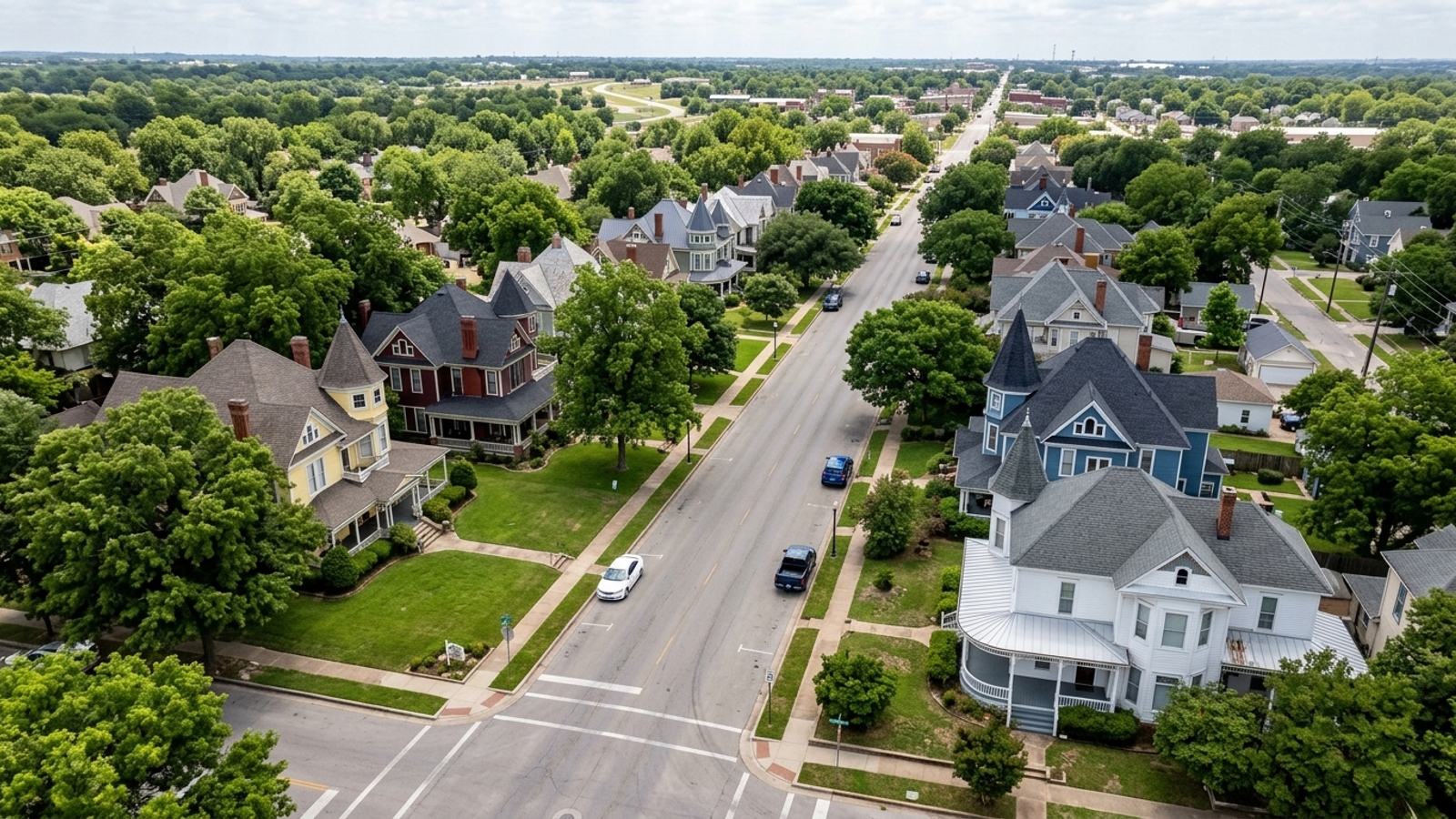
Sherman is the county seat of Grayson County, Texas, and it anchors a growing region just north of the Dallas-Fort Worth metroplex. If you're thinking about buying here, you probably want to weigh the pros and cons of living in Sherman before you sign anything - and that's a reasonable instinct.
The current market reflects a steady, established city. As of mid-2026, the median sale price in Sherman sits around $279,848, with homes spending roughly 78 days on the market. With about 384 available homes in inventory, you'll have time to explore different parts of town - including areas with genuine historical character that you won't find in a newer suburb.
An Overview of Sherman's Past and Present
Sherman is a fully incorporated city, not just a town or a neighborhood - it's the administrative and historical center of Grayson County, and it has been for a long time.
Over the decades, the city has held its own identity while serving as a kind of bridge between rural North Texas and the expanding Dallas-Fort Worth Combined Statistical Area. Understanding the city's roots actually helps you read the place - why the downtown square is laid out the way it is, why certain blocks feel older and more deliberate than others.
City Status and Location Facts
Sherman has a formal municipal government, a dedicated city council, and established zoning laws that govern both new construction and historical preservation. That matters if you're buying, because it tells you what you can and can't do with a property.
The city's infrastructure supports a mix of older, established neighborhoods and newer developments. The downtown core still reflects the city's early layout - you can feel it when you walk it.
Sherman's Place in Grayson County
Sherman sits entirely within Grayson County and holds the title of county seat, which means the county courthouse, administrative offices, and primary legal infrastructure are all right here in the city. For residents, that proximity to local government services is just part of daily life. The Paul Brown United States Courthouse stands as a notable landmark, and it's a reminder of how long Sherman has functioned as a legal and administrative hub for the region.
Connections to the Broader Metro Area
Sherman anchors the Sherman-Denison, TX Metropolitan Statistical Area - a single-county MSA driven by the economic activity of both Sherman and neighboring Denison. Beyond that, Sherman is also part of the broader Dallas-Fort Worth Combined Statistical Area.
That positioning matters. You get highway access to the larger DFW markets without living inside them.
Tracing the City's Name and Founding Timeline
Sherman was established as the center of Grayson County government, and the early settlement patterns shaped the roads and property lines still in use today. If you pull deeds on the oldest parts of town, you'll see plat maps that go back to the original incorporation.
If you want the definitive story of who the city was named for and how the founders secured the charter, the local historical society and the Texas State Historical Association are the right places to look. Those organizations have preserved the documents that spell it out.
Early Settlement and Incorporation
Sherman's history tracks alongside the broader expansion of North Texas. Early incorporation established a city grid centered on a courthouse square, with commercial buildings surrounding it and residential streets fanning out from there.
You can actually trace the city's growth by driving it - Victorian-era construction near the center, mid-century homes further out, and modern development at the edges. The architecture tells the timeline.
Historic Districts and Local Landmarks
If you're drawn to older homes, Sherman has specific areas dedicated to preserving local history. The city council and local preservationists have put real work into maintaining the architectural integrity of several neighborhoods and commercial buildings.
One thing to know before you make an offer in a designated historic area: local zoning rules govern what you can do to a home's exterior. These guidelines exist to keep the streetscape intact, and they have teeth. Review them before you fall in love with a renovation plan.
Preserving the Heritage Row District
The Heritage Row Historical District is Sherman's most prominent residential preservation area. The Sherman City Council established it on January 3, 1978, and it covers the 300 to 1300 blocks of South Crockett Street.
The district was created specifically to preserve Victorian-style homes - original millwork, large porches, historical plaques. If that's what you're after, South Crockett Street is where you focus your search.
The Texas Theatre and Downtown Sites
Downtown Sherman has several commercial landmarks that reflect the city's mid-century era. The most recognizable is the Texas Theatre sign, a historic landmark from the theater built in the 1940s - it's currently being restored and returned to downtown Sherman, which says something about the level of investment in the historic core.
Alongside the Paul Brown United States Courthouse, these structures anchor downtown and draw people who care about mid-century architecture.
What Makes Sherman Stand Out Today
Sherman is the economic and cultural center of Grayson County. The local economy blends manufacturing, retail, and regional services, and the city's identity is tied to its role as a regional gathering place. Civic events near the courthouse square, long-running local restaurants, the kind of community focus that doesn't come from a master-planned development - it's a different kind of place than what you'll find closer to DFW.
Foods, Culture, and Local Identity
Sherman's local food scene runs toward long-standing diners, barbecue joints, and cafes that have been operating for generations. New residents tend to discover these places by walking downtown, which is still the right way to do it.
The city has also produced notable people who've contributed to regional politics, sports, and business. Local museums and the historical society keep detailed records of those figures and the events that shaped Sherman's reputation - worth a visit if you want to understand what you're moving into.
Frequently Asked Questions
Which historic neighborhoods in Sherman, TX are best for buyers looking for older homes?
The Heritage Row Historical District is your starting point. It runs along the 300 to 1300 blocks of South Crockett Street, features preserved Victorian-style homes, and was officially established by the city in 1978.
How do I check if a Sherman house I want to buy has an official historical designation?
Check with the Sherman city government or review the property deed. Homes within established areas like the Heritage Row Historical District will have specific zoning records on file with the city.
Are there tax incentives or grants available for restoring historic properties in Sherman?
It depends on current municipal and state programs. Talk directly to the Sherman city planning department - they'll tell you whether a specific property qualifies for preservation grants or tax relief.
What happens if I want to renovate a home located in a Sherman historical district?
If the home is in a designated area like the Heritage Row Historical District, exterior renovations have to comply with preservation guidelines. You'll likely need city approval before altering the facade, adding square footage, or changing structural elements. Plan for that process before you close.
How do historic home values in Sherman compare to newer construction in the area?
Historic homes carry different pricing dynamics than the broader market's median sale price of roughly $279,848. Values depend on the home's condition, the extent of modern updates, and its location within protected districts like South Crockett Street.
Do homes with a Sherman historical designation take longer to sell than standard properties?
It depends on the property and buyer demand for historic architecture. The overall Sherman market sees homes sell in an average of 78 days, but a fully restored Victorian home could move faster or slower depending on price point and condition.


© The Harrison Group 2025
