

Moving to Sherman, TX: What to Expect in 2026
Thinking about moving to Sherman, TX? Get the real numbers on housing costs, job growth, and what life looks like in this fast-growing No

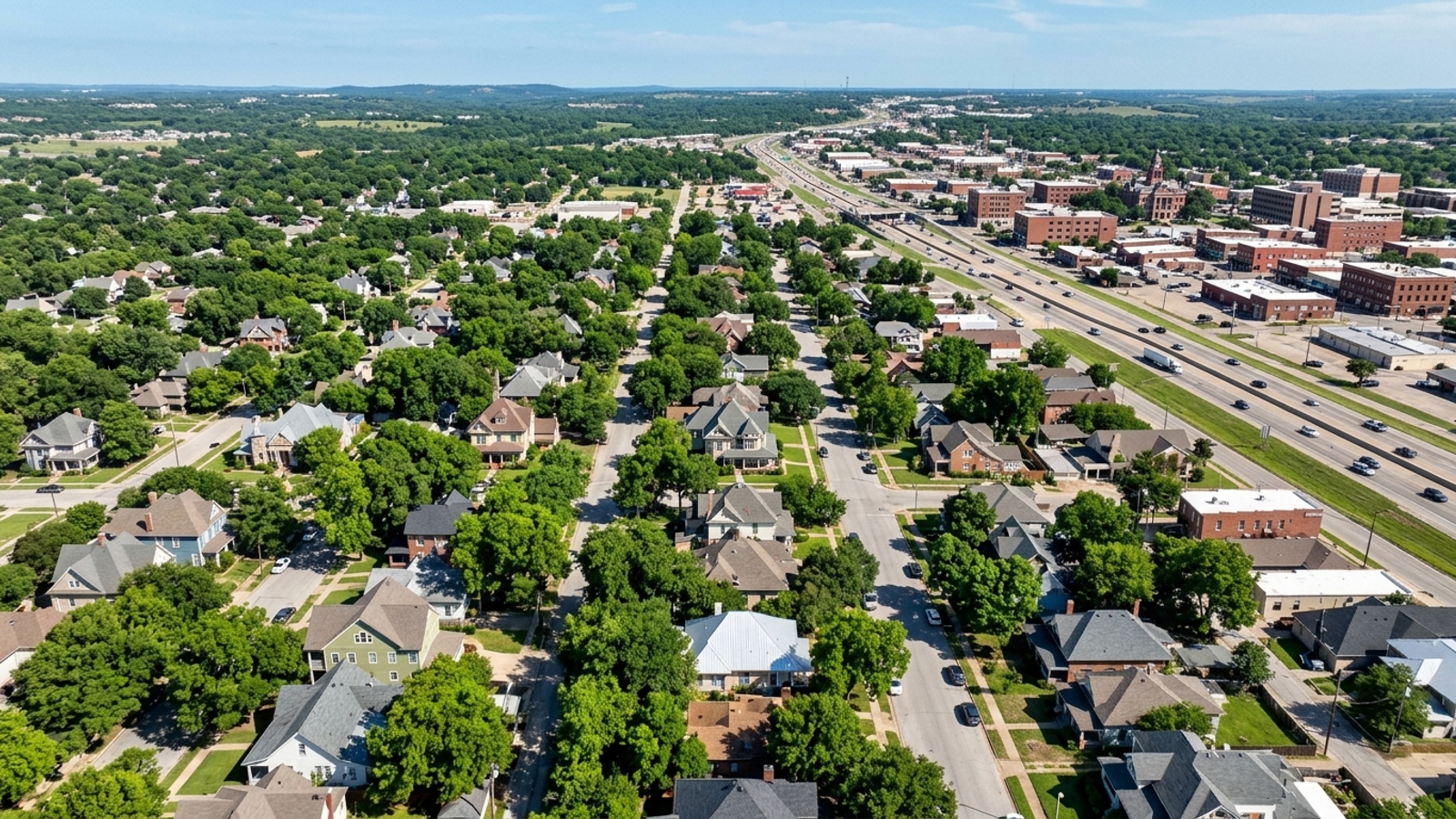
Sherman is the largest city in the Texoma region - a North Texas town of over 43,600 people sitting just below the Oklahoma state line. The pros and cons of living in Sherman are tied directly to this geography. It functions as the economic and cultural anchor for the surrounding area, with enough going on locally to feel self-sufficient while staying close enough to the Dallas-Fort Worth metroplex to benefit from what's happening down south.
If you're looking at buying here in 2026, the calculus is pretty straightforward: lower housing costs on one side of the scale, distance from major employment centers on the other. Getting clear on the local layout, what inventory looks like, and what a daily commute actually involves will tell you whether Sherman makes sense for your situation.
Location and Geography of Sherman, TX
Sherman sits about 60 to 65 miles north of Dallas, which puts it in an interesting position - past the outermost Dallas-Fort Worth suburbs but close enough to feel their pull. US Highway 75 is the main artery here, running straight through the city and serving as the spine for both the commute south toward the metro and the drive north to the Red River. That highway also does something you'll notice quickly if you drive around: it divides the older eastern neighborhoods from the newer western developments pretty cleanly.
The city is the county seat of Grayson County and anchors the Sherman-Denison Metropolitan Statistical Area. Smaller towns in the area look to Sherman for retail, healthcare, and services, which means the city punches above its weight in terms of infrastructure.
Distance to Dallas-Fort Worth
Downtown Dallas is typically just over an hour from Sherman - on a good day. US-75 during peak hours is not always a good day. Many residents who commute aim for the northern suburbs like McKinney or Frisco instead, which cut a meaningful chunk off that drive and are a much more realistic daily round trip.
The continued northward push of Dallas-Fort Worth development has also brought more commercial activity closer to the Grayson County line, which means you don't always have to go all the way into the city for things that used to require it.
Sherman ZIP Codes
The city falls within three primary ZIP codes: 75090, 75091, and 75092. The 75090 code covers most of the eastern and central parts of the city, including the downtown district - this is where you'll find the historic homes and older commercial buildings. The 75092 side is the western half, where newer residential and commercial development has concentrated.
When you're searching listings, keeping those ZIP codes straight helps you quickly orient where a property sits relative to the US-75 corridor.
What It Is Like to Live in Sherman, TX
Sherman has held onto its North Texas character while adding layers - a growing industrial base, Austin College anchoring an academic presence in the local economy, and the Sherman Independent School District serving students across the city. It's not trying to be a suburb of Dallas, and that's genuinely part of the appeal for a lot of buyers who move here.
Lake Texoma is just a short drive to the north, which gives residents real outdoor recreation without having to plan a weekend trip. The pace is noticeably different from the dense northern suburbs, and for buyers who are specifically trying to get out of that environment, that distinction matters.
The Local Vibe and Landmarks
The downtown square has some genuine character to it. The 1934 Grayson County Courthouse is an art deco landmark, and the city is restoring the historic Texas Theatre sign for display in the central district - the kind of preservation work that keeps a town square from feeling hollow. The Paul Brown United States Courthouse adds to the civic weight of the area. Over near Austin College, the streets get quieter and shadier, with older tree-lined blocks and a different rhythm than the highway corridor.
Weighing the Pros and Cons
The housing affordability compared to Collin or Dallas County is real. Your budget goes further here in terms of square footage and lot size, and the lower population density means less traffic in your daily life.
The trade-off is honest: if your job is in central Dallas and there's no flexibility, the commute is a grind. Local retail handles most daily needs, but residents regularly make the drive south for high-end shopping or major entertainment. That's just the reality of where Sherman sits on the map.
The Cost of Living in Sherman
Housing is the headline number that brings most buyers up from the metroplex to take a look. As of mid-2026, the median sale price in Sherman is roughly $279,848 - a figure that lands very differently than what buyers are seeing in Collin County. The market is moving at a measured pace, with homes spending a median of 78 days on the market. There are about 384 active listings and roughly 5.6 months of supply, which gives you room to breathe, think, and negotiate. Homes are selling at about 97% of list price on average.
Home Prices and Property Taxes
Property taxes in Grayson County average around 2.1% of the appraised home value. That rate is typical for Texas, but because the underlying home values are lower, the actual dollar amount on your tax bill will be more manageable than on a comparable house closer to Dallas. Rates do vary slightly depending on which municipal and school district boundaries a specific property falls within, so always pull the actual tax statements for any home you're seriously considering.
Renting an Apartment or House
If you want to lease before you commit to buying, the average rent for a three-bedroom house in Sherman runs around $1,873. You'll find single-family homes in established neighborhoods, newer apartment complexes on the west side, and loft and apartment options downtown for those who want to be close to the central business district. Most leases run 12 months, though some private landlords are open to more flexible arrangements for people who are still figuring out the area.
Everyday Expenses
Utilities, groceries, and healthcare track close to state averages - you're not paying a big-city premium for any of it. The city handles water and trash through a combined monthly billing, which keeps things simple.
Where your costs diverge from a neighbor's is transportation. Work locally and you'll barely notice the gas bill. Drive 60 miles down US-75 to Dallas every day and that's a real line item you need to plan for.
Sherman Neighborhoods and Local Statistics
The city's growth pattern has historically moved westward, though revitalization efforts have been pulling attention back toward the core in recent years. You'll find historic districts, mid-century subdivisions, and newer construction all within the city limits, which means there's a range depending on what kind of home you're after.
For a grounded look at specific areas, pull data from the Sherman Police Department or the Texas Department of Public Safety rather than relying on general impressions. Municipal data gives you an accurate read on specific blocks and commercial zones, not just a neighborhood name.
Popular Areas to Consider
Fairview Terrace and Crockett draw buyers who want older homes with character - mature trees, established streets, proximity to the city's historic core. For newer construction, the area around West Travis Street is where most of that activity is concentrated. The neighborhood around Austin College is a steady market with a mix of long-term residential homes and student rentals, and it has a distinctly different feel from the western development corridors.
Living in the Downtown District
Downtown has seen real movement, with commercial buildings being converted for residential use and more people choosing to live within walking distance of the civic center, restaurants, and offices. Parking is manageable - a combination of street parking and dedicated lots covers most of it.
The inventory here is smaller than on the suburban edges, so when something comes up downtown, it tends to go faster than the citywide median would suggest. If that's the area you want, you'll need to be ready to move when the right unit appears.
Dining, Shopping, and Entertainment
Sherman is the commercial hub for Grayson County, which means it offers more options than you'd expect from a city its size. The US-75 corridor is lined with national chains, big-box retail, and regional restaurants. You're not driving to the next town for most of what you need.
Beyond the highway, there's a local business scene that continues to build out. For most residents, daily life doesn't require leaving town.
Downtown Restaurants
The downtown square has a solid cluster of independent restaurants, cafes, and bakeries - places that pick up the lunch crowd from the nearby courthouses and stay open into the evening. Most occupy historic storefronts, which adds something to the experience that a chain on the highway doesn't. This is also where people tend to gather before community events.
Retail and Evening Outings
Sherman Town Center along US-75 is the main retail destination - largest concentration of stores, national restaurant chains, the usual. For a night out, the city runs quieter than the metroplex; you're looking at local bars, breweries, and casual dining. If you need a major concert venue or nightclub, that's a drive south.
Where to Stay When Visiting Sherman
If you're making a scouting trip before you decide, there are solid lodging options within the city. The hotels here serve a mix of business travelers, families visiting Austin College, and people heading to Lake Texoma for the weekend.
Booking a few days rather than just a quick overnight is worth it. You'll have time to test what the commute actually feels like, drive around the different neighborhoods at different times of day, and get a real sense of the traffic patterns rather than just a snapshot.
Downtown Lodging
Staying near the city center puts you within walking distance of the Grayson County Courthouse and the historic square. Large hotel chains aren't prevalent right on the square, but boutique options and short-term rentals fill that gap. Walking the streets from a centrally located rental gives you a clearer read on the revitalization than driving through quickly would.
Other Nearby Hotels
Most of the hotel inventory is clustered along the US-75 corridor - familiar national brands with standard amenities, pools, and business centers. The highway location makes it straightforward to drive out to both the east and west sides of the city when you're evaluating neighborhoods.
Frequently Asked Questions
What are the best neighborhoods for families relocating to Sherman, TX?
Fairview Terrace and Crockett are worth looking at if you want historic homes and mature trees. If newer construction is more your style, the area around West Travis Street is where most of that activity is. The neighborhood near Austin College is another consistent option - established homes and easy access to campus events.
Do I qualify for USDA zero-down rural housing loans if I buy on the outskirts of Sherman?
It depends entirely on the specific property address. Central Sherman doesn't qualify, but some properties on the rural outskirts of Grayson County may fall within eligible USDA zones. Check the official USDA eligibility map with your exact target address before assuming either way.
How fast are homes selling in Sherman right now due to the new tech manufacturing plants?
As of mid-2026, the median days on market in Sherman is 78 days. There's about 5.6 months of supply in the market right now, so while industrial growth is bringing new residents, buyers still have time to be deliberate and negotiate.
Is it realistic to live in Sherman, TX and commute to Dallas or Frisco for work?
It's doable, but go in with clear eyes about what that drive involves. Sherman is 60 to 65 miles north of Dallas, and a commute to downtown Dallas regularly takes over an hour. Driving to the northern suburbs like Frisco or McKinney is a shorter trip and more manageable as a daily routine.
What is the average property tax rate and overall cost of buying a home in Sherman compared to Collin County?
Property taxes in Grayson County average around 2.1% of the appraised home value. The median home price in Sherman is roughly $279,848, which is substantially lower than what you'd see in Collin County to the south.
Are there specific foundation or clay soil issues to watch out for when buying a house in Sherman?
Yes - like most of North Texas, Sherman sits on expansive clay soils that shift as moisture levels change. Always hire a licensed inspector to evaluate the slab or pier-and-beam foundation for settling or cracks before you close. This isn't a reason to avoid buying here, but it's not a step to skip either.


© The Harrison Group 2025
